Friday, February 29, 2008

2009 Chevrolet Corvette ZR1

Chevrolet officially announced the 2009 Corvette ZR1 - an American supercar that brings the technology and engineering refinement of carbon-fiber, ceramics and electronics together in a distinctive design. ''Chevrolet?s goal with the new ZR1 is to show what an American supercar can deliver, at a price that trumps exotics that cost two, three or four times as much ? and does so with exceptional driveability,'' said Ed Peper, Chevrolet general manager.

Preliminary testing shows the ZR1 builds on the highly respected Corvette Z06 in every performance category, from acceleration and braking, to cornering grip and top speed,? said Peper. ?It all boils down to the power-to-weight ratio and the ZR1?s is exceptional ? better than the Porsche 911 GT2, the Ferrari 599 and even the Lamborghini LP640. In fact, the ZR1 is expected to be the first production Corvette to achieve a top speed of at least 200 mph.

Supercharged LS9 engine

The new LS9 6.2L small-block engine is the power plant the supports the ZR1?s performance capability. The enabler of the LS9?s performance and refinement is a large, positive-displacement Roots-type supercharger with a new, four-lobe rotor design. It is augmented with an integrated charge cooling system that reduces inlet air temperature for maximum performance.

A sixth-generation supercharger developed by Eaton helps the LS9 make big power and torque at lower rpm and carries it in a wide arc to 6,600 rpm, as it pushes enough air to help the engine maintain power through the upper levels of the rpm band ? the area where supercharged performance tends to diminish. Heavy-duty and lightweight reciprocating components enable the engine?s confident high-rpm performance.

The LS9 is hand-assembled at GM?s Performance Build Center, in Wixom, Mich., and incorporates specialty processes typically seen in racing engines to produce a highly refined and precise product. For example, cast iron cylinder liners are inserted in the aluminum block and are finish-bored and honed with a deck plate installed. The deck plate simulates the pressure and minute dimensional variances applied to the block when the cylinder heads are installed, ensuring a higher degree of accuracy that promotes maximum cylinder head sealing, piston ring fit and overall engine performance.

Transmission and axle

The LS9 engine is backed by a new, stronger six-speed manual transmission and a twin-disc clutch that provide exceptional clamping power, while maintaining an easy clutch effort. ZR1-specific gearing in the transmission provides a steep first-gear ratio that helps launch the car, and top speed is achieved in sixth gear - a change from the fifth-gear top-speed run-outs in the manual-transmission Corvette and Corvette Z06.

As the term implies, the twin-disc clutch system employs a pair of discs, which spreads out the engine?s torque load over a wider area. This enables tremendous clamping power when the clutch is engaged, while also helping to dissipate heat better and extend the life of the clutch.

The twin-disc clutch system also contributes to the ZR1?s exceptional driving quality, with smooth and easy shifting. The twin-disc system's design enables a 25-percent reduction in inertia, thanks to smaller, 260-mm plates, corresponding to a pedal effort that is similar to the Corvette Z06?s 290-mm single-disc system.

The rear axle also is stronger in the ZR1 and features asymmetrical axle-shaft diameters that were developed after careful testing to provide optimal torque management. The axles are also mounted on a more horizontal plane that correlates with the wider width of the rear wheels and tires.

Ride and handling

The ZR1 is built on the same aluminum-intensive chassis as the Corvette Z06 and features similar independent SLA front and rear suspensions, with aluminum upper and lower control arms. Where the ZR1 differs is the suspension tuning, which was optimized for the car?s steamroller-wide front and rear tires.

Magnetic Selective Ride Control is standard and tuned specifically for the ZR1. The system?s ability to deliver a compliant ride with nearly instantaneous damping adjustments enabled engineers to develop a surprisingly supple ride quality in a supercar that still delivers cornering grip of more than 1g.

From a high-performance perspective, Magnetic Selective Ride Control helps the rear axle remain planted during launch for smooth, hop-free acceleration. It also helps suppress axle movement when cornering on broken or uneven pavement.

Brakes, wheels and tires

Commensurate with the ZR1?s engine output is the braking system, which is headlined by carbon-ceramic brake rotors. Found on only a few exotics and more expensive supercars, carbon-ceramic brake rotors are made of a carbon-fiber-reinforced ceramic silicon carbide material . Their advantage comes in low mass and resistance to wear and heat. In fact, the rotors should never show any corrosion or require replacement for the life of the vehicle, when used in normal driving.

The vented and cross-drilled rotors on the ZR1 measure 15.5 inches (394 mm) in diameter in the front and 15 inches (380 mm) in diameter in the rear ? making them among the largest carbon-ceramic rotors available on any production vehicle.

Clamping down on the high-tech rotors are six-piston front calipers and four-piston rear calipers, each painted a ZR1-exclusive blue. The front pads are equivalent in size to the largest on any production car with a single-pad design ? double that of the Corvette Z06?s 70-sq.-cm. front pads.

The brakes are visible through the ZR1?s exclusive wheels: 20-spoke alloy rims that measure 19 inches in diameter in the front and 20 inches in the rear. They come standard with a bright, Sterling Silver paint finish and chrome versions are optional. The wheels are wrapped in Michelin Pilot Sport 2 tires developed specifically for the ZR1, measuring P285/30ZR19 in front and P335/25ZR20 in the rear.

Exclusive exterior

The ZR1 is instantly recognizable, with perhaps the most identifiable feature a raised, all-carbon-fiber hood that incorporates a clear, polycarbonate window. The window provides a view of the top of the engine?s intercooler, with the legend 'LS9 SUPERCHARGED' embossed on the left and right sides, and an engine cover with the Corvette crossed flags logo debossed at the front.

The underside of the hood has an exposed carbon-fiber-weave. Exposed carbon-fiber is used on the roof, roof bow, rocker molding and front splitter. These exterior components are protected by a specially developed glossy, UV-resistant clear coat that resists yellowing and wear.

Widened, carbon-fiber front fenders with specific, dual lower vents, and a full-width, body-color rear spoiler incorporating the center high-mounted stop lamp, are also unique to the ZR1. All of the exterior features of the car were developed to enhance high-speed stability and driver control.

Interior details

The ZR1's interior builds on the brand?s dual-cockpit heritage, with high-quality materials, craftsmanship and functionality that support the premium-quality experience promised by the car?s performance. The ZR1?s cabin differs from the Corvette and Corvette Z06 with the following:

-ZR1-logo sill plates

-ZR1-logo headrest embroidery

-Specific gauge cluster with ?ZR1? logo on the tachometer and a 220-mph (370 km/h) readout on the speedometer

-Boost gauge added to the instrument cluster and Head-Up Display

The base ZR1 (RPO 1LZ) comes with accoutrements based on the Z06, including lightweight seats and lightweight content. The uplevel interior package includes unique, power-adjustable and leather-trimmed sport seats (embroidered with the ZR1 logo); custom, leather-wrapped interior available in four colors; navigation system, Bluetooth connectivity and more.

By the numbers

In addition to the exterior cues and powertrain, ZR1 models will be distinguished from other Corvette models by their VIN. Each will carry a unique, identifying VIN digit, as well as a sequential build number. This makes it easy to determine the build number of a specific car ? information treasured by enthusiasts and collectors. For example, a ZR1 with a VIN ending in 0150 would indicate it is the 150 th ZR1 built for the model year.

The specialized components of the new ZR1 work harmoniously to deliver the most powerful and fastest automobile ever produced by General Motors. Performance estimates will be announced closer to vehicle?s summer 2008 launch.

Here are pictures of the Chevrolette

2009 Chevrolet Corvette ZR1 2009 Chevrolet Corvette ZR1


2008 Rolls Royce Phantom Phantom coupe

Rolls-Royce Motor Cars will unveil its new Phantom Coupé at the 78th International Geneva Motor Show on Tuesday, 4 March 2008. Production of the new car will start at Goodwood in the summer of 2008.

The Coupé is the most driver-orientated model in the Phantom line. A number of subtle but significant modifications have been made that change its character. It is noticeably more dynamic, whilst still offering incredible levels of comfort. A sport button on the steering wheel activates a new gearbox programme. Each gear is held for longer, increasing the rate of acceleration. Kick-down is also faster and accelerator pedal response has been enhanced.

Marrying cutting-edge technology with a beautifully proportioned, muscular body that exudes power and style, it incorporates timeless Rolls-Royce design cues in an utterly contemporary manner.

Designed to cover great distances effortlessly, the Coupé is the perfect choice for a transcontinental trip. Power is provided by the Phantom’s 6.75-litre V12 that produces 453 bhp, 720 Nm of torque and has segment-leading fuel economy. A 25 per cent increase in fuel capacity, compared to the Drophead Coupé, adds significant driving range. Agile, fast, long-legged and virtually silent, the Phantom Coupé allows both driver and passengers to emerge unruffled, even after an all-day run.

Rolls-Royce Motor Cars Chief Designer, Ian Cameron, said “Rolls-Royce has always been about pace, performance and style. For the Coupé design we gave the quintessential Rolls-Royce design a dynamic twist. This adds a sense of drama to the outstanding engineering and drivability that are fundamentals of Rolls-Royce cars. The dynamic drive of the Phantom has always come as a surprise to customers and the Coupé takes it one step further.”

The Phantom Coupé features rear-hinged coach doors which add considerably to the ease of access to the rear lounge seats as well as to the overall aesthetics. Crucially, they aid the overall stiffness of the body as the rear hinged doors allow for an uninterrupted A-pillar helping to make this the most torsionally rigid Rolls-Royce ever. A brushed steel finish of A-pillar and bonnet, as seen for the first time on 100EX, is also available for the Coupé.

At the rear is a spacious picnic boot. A split tail compartment that opens in two parts, gives easy access to 395 litres of space. The lower tailgate also provides a comfortable seating platform for two adults when lowered.

At the core of the Phantom Coupé is an advanced aluminium chassis, perhaps the single most significant component in delivering the marque’s legendary refinement. Lightweight and exceptionally strong, it impacts positively on ride comfort, handling and safety. Hand made, it requires over 130 meters of welding to create each body.

Rolls-Royce Motor Cars Chairman and Chief Executive, Ian Robertson, said, “The Coupé has been designed and engineered to be the most dynamic interpretation of our values. Our 2007 sales figures illustrate how successful the entire model range has been with an increase of 25 per cent over the previous year.”

In addition to the options, customers can specify unique features through the company's Bespoke programme. For example, they may choose from 44,000 exterior colours, specify a one-off leather colour or even select an unusual wood to complement the interior. Our Bespoke interior designers can also use embroidery and marquetry to personalise the inside of the car. All manner of other technical, structural and aesthetic detailing is possible, to meet the precise requirements of customers.

2008 Rolls-Royce Phantom Phantom Coupé 2008 Rolls-Royce Phantom Phantom Coupé

Alfa Romeo 8C Spider

Alfa Romeo once again unveils its new models onto the world market at the Geneva event. Indeed, following on from the Alfa 159 and Brera in 2005, the 159 Sportwagon and Spider in 2006, and its Personalisation Programme going by the name of “Alfa Unica” in 2007, it is now the turn of the alluring Alfa 8C Spider. Like the Alfa 8C Competizione, the Gran Turismo which received resounding global praise; the new “discovery” will be produced in a limited edition run of 500.

Elaborated by the Centro Stile Alfa Romeo, the new car re-affirms the brand's brilliance in this sector, as shown by some Spider's being regarded among the most beautiful cars in global automotive history. Cars such as the Giulietta Spider from the 50's or the legendary Duetto made famous by “The Graduate” from 1967 with a young Dustin Hoffman. Today, it's the Alfa 8C Spider's turn to take centre stage and project into the future the values of technology and emotion which belong to the Alfa Romeo legacy.

Obviously, the new vehicle inherits all the winning features of the Coupè version. Starting with the two “sport seats” setup and the fascinating exterior lines, which characterized by sculpted and finely designed bodywork, “dress” the automotive and mechanical excellence of the model.

In detail, the marked dynamics of the vehicle are highlighted by the horizontal groove “built” into the bonnet at wheel level. The oversize wheels and powerful “muscles” of the rear mudguard accentuate the personality and force of the model, without diminishing the elegance of those fluid lines. Instead they highlight the formal beauty of the singular external features: the “teardrop” fog lights set like a precious jewel in the front mudguard, the front Led lights, a synthesis of technology and rationality, and the essential door handle.

Furthermore, in the front we can find the characteristic Alfa Romeo stylings, with a new interpretaion of the “whiskers” and shield. Without forgetting, that this innovative range anticipates the elements and proportions of the future Alfa Romeo cars, always with complete respect for the historical legacy of the brand.

It's worth underlining that to reach these top levels of areo-dynamic efficiency, solutions which don't limit themselves to the design of the form have been adopted on the Alfa 8C Spider. All the surfaces and profiles of the uprights and windows, together with the form and positioning of the rear-view mirrors, have been optimized using computer models and tests in wind tunnels and real-life environments. As a result, air flows round the vehicle following it's natural path, unhampered by corners and irregularities. The end result is a negative LC (lift coefficient) which like competition vehicles, contributes to stability at high speeds.

But the peculiarity of this vehicle, is the hooded top fitted with electro-hydraulic automatic control (controllable via a button on the dashboard). The hooded top of the Alfa 8C Spider is composed of two overlapping sheets: the external one is made with a multi-thread textile which can withstand the elements, whilst the interior has high sound-proofing qualities. Furthermore, the hooded roof-top, available in various colours, has been perfected aesthetically, aerodynamically and for acoustic comfort. It has also been perfected from a functional point of view, with specially developed film-reels to render more agile, rapid and secure any explanations of the functioning.

In the interior, the Alfa 8C Spider guarantees a sophisticated environment, thanks to the vast use of composite materials in the dashboard and internal panels, as well as the use of anatomical seats, produced in carbon fibres, that can be adjusted according to the physical characteristics of the driver (up to now, a feature only available to racing cars). Furthermore, for maximum possible personalization of the interior, the client can chose between different environments and aesthetic solutions. All distinguishable by the particular attention to detail and artisan workmanship: from the contrasting stitches, colour tone and exclusive matchings. The bucket seats are upholstered in Frau flower leather (an exclusive and innovative treatment of the weave, in which the leather is bound to a natural fibre, creating a look of great visual impact).

In analogous fashion to the interior, the same care has been taken in realizing the exteriors: from the alloy wheels to the brake calipers, every detail can be chosen to your particular design, because every Alfa 8C Spider can only look similar to itself. An unmistakable car made to measure for the owner's personality. The unique and un-repeatable Alfa 8C Spider announces the pleasure of a sporty drive with full respect for the brand's legacy.

Like in the best Alfa Romeo tradition, hidden under this pretty “dress” is the best of what's available in the field of mechanics and propulsions. Firstly, the Alfa 8C Spider has a rigid and light structure (the compact frame is made in steel for maximum torsion to guarantee a drive which is always precise and sure, whilst the body is in carbon fibre). We are dealing with a choice motivated by the need to reduce as much as possible the weight but also to optimize the centre of gravity for agility and drive-ability in the more demanding journeys.

Still under the banner of sophisticated technology, the Alfa 8C Spider adopts the new “8 cylinder mated to a 5-speed gearbox with 90°” and a capacity of 4691 cm3 which has been designed with one specific aim: guarantee extraordinary performances without relinquishing the fluidity of the gearshift or the ease of use in any driving context. Like so, a powerful and progressive propulsion is born with a top power of 450 CV at 7.000 rpm and a maximum torque of 7.500 rpm. This engine has been mated to a self-shifting 6-speed gearshift (with computerized selection of the gears via levers behind the steering-wheel), and a self-blocking differential unit.

As in the legendary Formula 1 vehicles from the 50's, the Alfa 8C Spider sports the Transaxle design which guarantees the best equilibrium in the partioning of weight. The propulsion is placed in the rear whilst the gearshift is placed behind along the differential and hydraulic motor unit. The Transaxle design foresees a tight connection between motor and gearshift, which is fitted with a self-blocking differential. The two groups are linked by a tubular element, at the interior of which rotates the transmission driving shaft: in this manner the load is distributed in an optimal manner between the front and rear suspension.

So much power can only be entrusted to an excellent braking system: the Alfa 8C Spider is fitted with carbo-ceramic Brembo (CCM), 380 mm in diameter on the front-wheels and 360 mm on the back-wheels. This solution guarantees a powerful brake action even in the most intense uses. The marked reduction in weight, in comparison to a traditional set-up, reduces the masses unsupported by the vehicle and so improves the dynamic performance and driving comfort. Furthermore, the mono-block calipers guarantee maximum rigidity and minimal deformation, given the high loads generated by the pressure of the pistons on the brake-linings.

Therefore, the Alfa 8C Spider “declares itself Alfa” all the way, confirming control and driving pleasure with no compromises. Since always, gear comfort and dynamic performance are qualities specific to Alfa Romeo cars: in this case they have become veritable strong points. Thanks to for example, the suspensions which foresee a high wishbone suspension with brackets and uprights in forged aluminium, that act as a supplementary strut for alignment control.

Contributing also to the brilliant road control are specially developed 20” tyres to insure excellent performance, the tyres have a: 245/35 front-suspension and a rear-suspension of 285/35. Fitted on perforated rims in fluid moulded aluminium to ensure lightness and maximum brake ventilation efficiency. Lastly, the Alfa 8C Spider uses an evolved VDC Alfa Romeo traction and stability system, which ensures the driver feels at one with his car.

Thursday, February 28, 2008

Dodge Viper

he Dodge Viper was conceived as a modern interpretation of the classic muscular American sports car. Debuting as a concept in 1989 to huge consumer enthusiasm, everything about the production Dodge Viper was perfectly over the top, including its cartoonish styling, giant 335/35-series rear tires and thumping 400-horsepower V10 engine.

With lots of tail-wagging power and no face-saving electronic driving aids, the original RT/10 Viper roadster was certainly a supercar that didn't suffer fools graciously. Eventually, however, minor concessions to "luxury" appeared in the second-generation Viper roadster, such as real windows that replaced the clear vinyl side curtains.

But Viper fans had nothing to fear, for the Dodge sports car remained obnoxiously loud and fast. And despite the release of a GTS coupe and simultaneous upgrades for the entire line, the first two Viper generations represented much the same car for an entire decade.

The Dodge Viper's next era kicked off in 2003 with a third-generation redesign of Chrysler's icon -- the SRT-10 roadster became a true convertible with a top that folded down all the way versus the soft targa panel of the previous RT/10, and the Viper SRT-10 coupe returned a few years later featuring the previous coupe's "double bubble" roof and dramatic rear styling. An astounding amount of power is delivered over a broad range; to handle it the Viper uses a beefed-up transmission and massive brakes. Compared to the original, newer Vipers have a longer wheelbase, a stiffer chassis and revised suspension tuning, which give the car greater dynamic precision.

A new SRT-10 Viper is on the way for 2008 with, of course, even more power -- 600 hp and 560 lb-ft of torque to be exact -- from a fully revised engine displacing 8.4 liters. The new engine and additional hardware updates are meant to counter the Viper's nemesis, the Corvette Z06, which undercuts the Viper on price and beats it in terms of versatility. But the charm of the Viper is its raw edge and lack of polish. For the Viper enthusiast, there's no other way it should be.

Current Dodge Viper model

Recently updated, the Dodge Viper sports car is offered as a two-seat coupe or roadster. Standard equipment includes racing-style seats, power-adjustable pedals, keyless entry and a 300-watt audio system with in-dash CD changer. An 8.4-liter V10 engine delivers 600 hp and 560 lb-ft of torque. Power is sent to the rear wheels through a Tremec six-speed manual transmission and a standard limited-slip differential. Performance numbers are quite impressive, as the Viper can reach 60 mph in less than 4 seconds. Containing all this power are massive Brembo brakes and 18-inch front- and 19-inch rear forged-alloy wheels.

Though modern cars are increasingly equipped with the latest safety features, the Viper remains true to its visceral roots. There are neither side-impact airbags nor traction or stability control. Inside, the cabin is a collection of hard plastic panels and parts pin switches. Seat comfort is surprisingly good, but entry and exit, particularly on the coupe, is tricky.

Fresh off the showroom floor, the Dodge Viper is one of the fastest production cars in the world. Its mammoth V10 pushes it to triple-digit speeds in the blink of an eye, and it keeps right on going. Pushing this Dodge to the limit still requires the skill of a seasoned driver, but even rookies will admire the car's unbelievable racecar-like capabilities. While not comfortable and well-rounded enough to be an everyday driver, the Dodge Viper remains a no-nonsense supercar for those who can afford to add one to their stable.

Past Dodge Viper models

The original Dodge Viper debuted for the 1992 model year. At its heart was a 400-hp, truck-based engine with lighter-weight aluminum substituting for cast iron. Inspiringly one-dimensional, the first Viper continued on with only minor power tweaks and an optional hardtop with sliding side curtains until the second-generation Viper debuted as a more powerful GTS coupe in 1996 -- now a bit more civilized, with dual airbags and air-conditioning.

As the Viper matured into its second generation, paint schemes were shuffled and the RT/10 roadster received much of the updates applied to the GTS coupe. Also crossing in 1997 were the coupe's adjustable pedals and revised exhaust system, which changed from side- to rear-exit. In 1999 the Viper received bigger wheels, optional Connolly leather inside, power mirrors and a remote release for the coupe's glass hatch. A track-biased Viper ACR trim level also became available that year. Used Viper shoppers might also want to note that a fairly significant feature -- antilock brakes -- did not become available until 2001.

The third-generation Dodge Viper, the SRT-10, has been available since 2003. At its debut, the V10 was 8.3 liters in size and generated 500 hp and 525 lb-ft of torque. At the start, only the roadster was available. Detail changes only to colors and trim for the next couple years -- including a special "Mamba" package in 2004 for only 200 vehicles -- were followed by a return of the SRT-10 coupe in 2006 and a 10-hp increase. There was no '07 model, as Dodge was preparing for the '08 model's changes.

Porsche

Although a host of tuners have tried their hand at revising Porsche’s Cayenne, arguably none have improved on the SUV’s appearance. We’re not saying the styling kit issued by Swiss tuner Rinspeed is any better, but its new X-Treme is certainly one of the least-offensive takes on the performance ‘ute we’ve seen.

That questionable exterior is, by and large, one of the biggest changes Rinspeed makes to the Cayenne. The front fascia sports larger air intakes that hint at the Cayman, but the split center grille section looks as if the entire car’s sucking on a lemon. The front diffuser, which supposedly ducts airflow to the larger brakes, adds to the height of the front fascia, making the entire front clip look too tall. That may be an illusion, as Porsche’s air-ride suspension is modified to lower the Cayenne by 35 mm.

The interior isn’t left alone, either; Rinspeed decks out the X-Treme with an extensive mixture of carbon fiber and custom-trimmed suede that could complete with the best show car at CES. Unlike those, the X-treme can offer some serious “go” - the twin-turbocharged 4.8-liter V-8 can be tweaked for an additional 100 ponies, bringing the total to 600 horsepower.

If that’s the look - and the power - that meets your tastes, give Rinspeed a call.

pho_xtr_5_650.jpg pho_xtr_4_650.jpg pho_xtr_3_650.jpg x-treme-rinspeed.JPG

pho_xtr_6_650.jpg pho_xtr_7_650.jpg pho_cay_16.jpg pho_cay_7.jpg

pho_chop_5.jpg pho_chop_7.jpg

RINSPEED RELEASE

Swiss Extravaganza - The Rinspeed “X-treme” based on the Porsche 957 Cayenne

The Swiss company Rinspeed, also renown as a noble Porsche tuner, can look back to thirty years of tradition and now presents its latest customizing program based on the face-lifted Porsche Cayenne. The latest creation of the Swiss is called X-treme which is specially high-lighted by the sporty and dynamic aerodynamics package. It plays the latest Cayenne outstandingly to the gallery and fits to all model versions.

The complete new frontskirt/bumper impresses by its aggressive and distinctive visual appearance. Bigger air-intakes with fins as well as a front splitter with its own brake aeration award the Rinspeed X-treme a proprietary and typical look. Beefy wheel arches let the sporty SUV appear to be much wider and more dynamic. The side skirts fit elegantly into the existing side lines and connect homogenously the wide wheel arches. The rear skirt has received a difusor which diminishes the down force significantly. The two rear chrome exhaust tips are the high-light of the back end. The sporty exhaust system clearly suggests the ample power under the hood. The X-treme will bring up to 600 hp on the road.

The contact to the road is ensures by the enormous wheel-tire-combination in the typical Rinspeed design. The biggest available version is of the size of 11×23 inches. The 315/25-23 tires are especially approved for speeds of the 300 km/h. The air suspension is customized with an electronic module which lowers the SUV by 35 mm - the whole range covers 110 mm .

Exclusive leather interiors as well as customizing options as individual bucket seating, home entertainment systems and many other items round up the diversified program.

Mitsubishi

The Early Years
Mitsubishi Motors automotive tradition goes back to 1917 when the Mitsubishi Model A, Japan's first series-production automobile, was introduced. Over the next two decades the company established themselves as an innovator, developing, amongst others, Japan's first diesel engine, it's first large-sized bus (the start of the world famous Fuso commercial vehicle series), it's first four-wheel drive passenger car prototype, and it's first diesel-powered truck.

At the end of the Second World War Japan's large industrial groups were dismantled by order of the Allied powers and Mitsubishi Heavy Industries was split into three regional companies, each with an involvement in motor vehicle development.

The country's major need at this time was for commercial vehicles, the situation being further complicated during the first few years by a severe fuel shortage. In consequence 1946 saw the introduction of a bus which could be run on either petrol or alternative fuels, and, in 1947, an electric bus; in the truck field the innovations continued with Japan's first truck to be equipped with an air suspension system, as well as the first tilt-cab truck. Passenger vehicle production was confined primarily to Mitsubishi's first scooter.

On The Move
By the beginning of the 1960s, however, Japan's economy was gearing up: wages were rising and the idea of family motoring was taking off. The Mitsubishi 500, a mass-market saloon, fulfilled this need; followed, in 1962, by a four-seater micro-compact with a two-stroke air-cooled 359cc engine, the Minica - a name, which still lives today. The first Colt -a larger, more comfortable family car, not a predecessor of the modern Colt - was also introduced in the same year, and the first Galant in 1969. This was a genuine pacesetter in the Japanese market, representing the best and latest in automotive technology and was to sire a long and illustrious line with a string of motorsports honours and consumer awards to its name.

With similar growth in its commercial vehicle production it was decided that the company should create a single operation to focus on the automotive industry and, in 1970, the Mitsubishi Motors Corporation was formed.

The Testing Ground
The 1970's saw the beginning of Mitsubishi Motors considerable international rallying success with Galants and Lancers, demonstrating the qualities of performance and reliability for which they are known today.

By the end of the decade Mitsubishi vehicles were picking up honours both at home and abroad, including South Africa's 1977 "Car of the Year" (the Galant) and 1979 "USA's Pick-up of the Year" (the L200). But this was just the start. In 1982 the Pajero (called Shogun or Montero in other parts of the world) was launched, a 4x4 which was quite different from anything that had been seen before.

The Authentic 4x4
Quite incredibly, just a few months later in the Paris-Dakar rally, it took honours in the Production Class and the Marathon Class, as well as the Best Team award. Two years later it won outright and a legend was born; the Pajero became a global best seller, winning "4x4 of the Year" awards in France, Australia, Britain, Spain and West Germany. And it was not alone on the honours list - Galants, Colts, Lancers and L200s were all being honoured worldwide.

Friday, February 22, 2008

Mustang GT

From sporty two-door coupe to high-performance hot-rod, the Ford Mustang has fulfilled the desires of America’s sports-car enthusiasts for more than 42 years. The Mustang was dramatically redesigned for 2005 and, while it is immediately recognizable as a Mustang, it now offers a thoroughly modernized performance - with powerful engines, advanced MacPherson struts, and a three-link live axle with Panhard rod rear suspension for the rear-wheel-drive platform. This latest Mustang builds on the hyped up debut of the 2005 Mustang, which have reached sales beyond all expectations at dealerships across the nation. This Mustang is galloping into the 2006 model year with even more improvements.
The standard Mustang is powered by a 210-horsepower 4.0-liter V6 engine, and the Mustang GT is powered by a new 300-horsepower 4.6-liter 3v V8. A Pony Package is even available for the Mustang V6 - with a GT inspired suspension, larger wheels and tires, ABS, traction control, a custom grille with fog lights, and Pony emblems. Two more colors have been added for this years line-up: Vista Blue Clearcoat Metallic and Tungsten Grey Clearcoat Metallic, which was first shown on the 2004 Mustang at the North American International Auto Show.
Mustang GT customers can now also choose between four different wheel and tire packages, including two new 18-inch wheels and tires complemented by unique suspension tuning. In addition, two new Mustang colors Vista Blue Clearcoat Metallic and Tungsten Grey Clearcoat Metallic join the color palette for 2006. The Mustang comes in Standard, Deluxe and Premium packages (Deluxe and Premium only for GT models) in a choice of coupe or convertible with a V-6 or V-8 engine mated to a 5-speed manual or automatic transmission. All Ford Mustangs are now built in Flat Rock, Mich.

Thursday, February 21, 2008

Jaguar XKR


The cabin feels warm and inviting. Befitting the Jag's nation of origin, it rained solidly during my first few days with the car. Peering out of the tiny glass house over the bulging hood at the cold, wet world outside, you feel safe, warm and empowered. A world of cold, wet roads and towering SUVs becomes inferior as you make swift progress through it. The ugly roads and rain-swept buildings gain an aura of glamour when viewed past the chunky, Alcantara-clad A-pillar.

At city speeds, the engine is smooth and instantaneously powerful. Put your foot down and the traction control allows a second or two of spin before hooking up and driving the car forward with real intent. The automatic gearbox is perfect in this urban environment, complementing, rather than detracting from, the impression of luxury and speed. Once the revs start to climb, a valve opens in the exhaust, making it louder. Keep your foot planted and the supercharger whine grows in aural precedence. Combined with the V8 growl, this conveys a sense of vast power and speed. The car dips rearwards slightly with a planted right foot, further accentuating the acceleration.

Fitted with optional 20" wheels, you'd expect the ride to be harsh and fidgety, especially on the rutted, pot-holed, third world streets of New York. Up to a point, however, it's surprisingly posh. Through the steering wheel you can feel the road's texture, but it doesn't find its way through the seat or into the rest of the cabin. Your hands say sports car while the rest of the experience says luxury. This impression lasts right up to the most severe of impacts with the biggest potholes--this is where the Jag's stiff aluminum chassis, big wheels and firm suspension finally give up the luxury game. Driving out of town through a torrential storm, I couldn't see the road -- or the lane markings for that matter -- and crashed into huge holes with surprising regularity. At one point, I thought I had surely torn off the front suspension. I hadn't, but I did gain a few more gray hairs.

So the XKR aces first impressions. It makes people think you're rich and classy. If you're not careful, it makes you think you are too. It feels fast, it feels luxurious, it feels like a Jaguar. For most people, that's enough to seal the deal. For us, it's not. A Jaguar should be a real sports car, and we have yet to drive it fast.

Honda CR-Z hybrid coupe

More news from the front lines of Honda's hybrid offensive. Honda CEO Takeo Fukui revealed in January that a production hybrid based on the CR-Z Concept shown in Tokyo last year was on its way. Looks like Europeans will be the first to partake of the spiritual successor to the much missed CR-X when it goes on sale there first around the end of the decade.

The original CR-X was a small, lightweight hatchback that by virtue of its size was a fun car despite its small, efficient engine. Likewise, we expect the production CR-Z coupe to be small, fun and efficient, but this time utilize Honda's updated Integrated Motor Assist hybrid system to make it happen.

Honda UK manager of product planning Mark Turner told Automotive News Europe that the production CR-Z hybrid would be priced around €25,000, with a high-end model cresting €28,000. Since Europe will be the car's most important market, Honda UK will have a voice in the car's development, including its design. Engineering for the car is also being carried out at Honda's R&D facility in Germany. Turner added that a gasoline version of the CR-Z would be considered if there were demand for it. The CR-Z will join Honda's upcoming ground-up global hybrid, as well as a new Civic Hybrid, in late 2009 or early 2010. If Honda hopes to sell half a million hybrids by 2011 like it claims, expect all three to also be available in the United States.

Gallery: Honda CR-Z Concept

Audi R8


Click to view in our high-resolution image gallery

If the Audi R8 put "old luxury" on notice with its super bowl comercial, then PPI is putting Porsche tuners on notice with its modified R8 Razor. Initially shown at the Essen Motor Show last year, the PPI R8 Razor aims to dramatically increase the performance of the stock Audi supercar with a series of modifications.

Just because we love our readers so, we'll give you the best part first: PPI has coaxed an extra 40 horses and 26 little torques out of the R8's 4.2-liter FSI V8, bringing total output up to 460 and 343 respectively. PPI claims that's enough to drop over half a second off the car's run to sixty, down to four seconds flat, with a top speed of 192mph. Pretty impressive, but as you can tell from the pictures, PPI didn't stop with the engine. The German tuning house has fitted a full carbon fiber aero kit, available in glossy or matte finish, consisting of a lip spoiler, larger air intakes that help airflow and facilitate brake cooling, along with sills, blades, a diffuser and an adjustable wing to keep this puppy glued to the tarmac. PPI also used carbon fiber to create 19-inch two-piece rims, complete with black magnesium spokes, and wrapped in ultra-low-profile Michelin Pilot Sport Cup rubber. Inside the CF love-in continues with trim pieces galore, and PPI will also reupholster the interior in custom leather, suede and Alcantara at the customer's choice.

Press release after the jump and images in the gallery below. Consider yourself put on notice.

[Source: PPI]

Gallery: Audi R8 Razor by Jayomck


Subaru


click above for more high-res images of the Toyota FT-HS Concept

The rumor mill is up and running again this week, churning out reports of a new Toyota Celica. While the Toyota line-up once included a variety of sports-coupes, since the cancellation of the Supra, MR2 and Celica, it's had nothing but sedans, hatchbacks, vans and trucks to offer. Rumor has it that a new Celica is on the way, to be built by Subaru, in whose parent company Fuji Heavy Industries Toyota acquired significant stake back in 2005.

If reports out of Japan's BestCar are to be believed, the new Celica will come in two versions: the base GT, with a naturally-aspirated 2-liter Subaru boxer four driving the rear wheels, and a hopped-up GT-Four version with the 300-hp turbo engine from the JDM Impreza STi and all-wheel-drive. The GT-Four could also be a sort of performance hybrid, gaining small electric motors in each of the four wheels. Both the GT and GT-Four are tipped to be available in either two-door or three-door bodystyles, since the Impreza is offered only as a sedan and five-door for this current generation. The new Celica, the styling of which could draw on the FT-HS concept car from last year's Detroit show (pictured above), is reportedly being readied for a launch in Japan next year.

[Source: MotorTrend]

Gallery: Toyota FT-HS Concept

Ferrari


click above to view more high-res images of the Ferrari 599 GTB Fiorano

Ferrari has been doing a booming business of late, particularly across the pond where the UK is now the third largest consumer of the Italian thoroughbreds behind the United States and Germany. More impressive is the fact that last year Ferrari GB sold 699 cars, compared to 15 years ago when it only sold 128.

While that's all well and good for the folks from Maranello, it's becoming increasingly difficult to actually get one of Ferrari's offerings in the UK. The longest stretch is for the 599, which demands its well-to-do potential purchasers wait 36 months for the sleek V12 coupe. If you're willing to "downgrade" to the 612 Scaglietti, the wait is still two years and buyers opting for the "entry-level" F430 have to hold on to their promissory notes for up to 30 months.

Lamborghini Murcielago

The Lamborghini Murcielago, as with other Lamborghini models, takes its name from the bull fighting tradition. On 5th October 1879, a bull named Murcielago had its life spared by Rafael Molina Lagartijo, a renowned matador of the time. This was an exceptionally rare occurrence, bestowed only upon bulls who had shown outstanding courage in the arena. Murcielago went on to breed a lineage of fighting bulls which can be traced to modern bull fighting. By naming their super car “Murcielago”, Lamborghini are looking to evoke the power and passion of this ancient Spanish tradition.

The car

The Lamborghini Murcielago is a two-door, two-seater coupe with gull-wing doors. It reflects the traditional Lamborghini setup: V12, mid-mounted engine, a gearbox mounted in front of the engine, permanent 4x4 and engine-integrated rear differential. This tried and tested layout results in a 58% rear / 42% front weight split, advantageous for traction, handling and braking. The double wishbone suspension is ideal for a performance GT. The external panels are constructed from carbon fibre, except for the roof and door panels which are steel.

Active air intakes for engine cooling characterise the rear of the Lamborghini Murcielago. These intakes employ VACS (Variable Air-flow Cooling System) technology, allowing the size of the intakes to be adjusted according to road conditions and speed. The position of the rear spoiler can also be varied in order to guarantee optimal aerodynamics. The spoiler has three positional settings: closed from 0-80 mph, fractionally open from 80-140 mph (50 degrees), and fully opened at 140+ mph (70 degrees).

The windscreen wiper is a single-arm pantograph setup, maximising the blade’s coverage and helping to reduce blind spots. Visibility is also enhanced by the wing mirrors which are mounted on lengthy support arms. This allows the driver to see past the rear wings, especially when the air intakes are fully opened. The wing mirrors can be folded away electronically.

New for 2006

Among the list of new features and modifications to the 2006 version of the Lamborghini Murcielago, the most important is without doubt the introduction of ceramic disc brakes, offering obvious benefits:

constant braking efficiency at all temperatures
exceptional agility and handling
reduced stopping distances with less pedal pressure
extended disc life
relatively lightweight (weighing less than steel)

Options include the “Interior Carbon Package”, which offers several of the cabin components in carbon fibre: handbrake lever, air-con and radio covering, dashboard cover (both sides), driver’s side display cover, centre tunnel handles, ashtray, armrest frame and gear lever cover.

The “Branding Package” is also available as an option, adding the Lamborghini logo to the headrests and a colour version to the steering wheel. The “Oro Adonis” (gold) colour, previously only an option on the Roadster version, is now available for the Coupe.

Car Pictures

BMW M3 2008


http://66.160.188.111/.ee9e4b6/cmd.233/enclosure..ee9e4b7


Nissan GT-R 2009


http://gmotors.eu/blog/wp-content/uploads/2007/08/nissan-gt-r.jpg


Ford GT 2006


http://www.ssip.net/upload/ford-gt-back-2_118.jpg


Ferrari F430


Ferrari F430


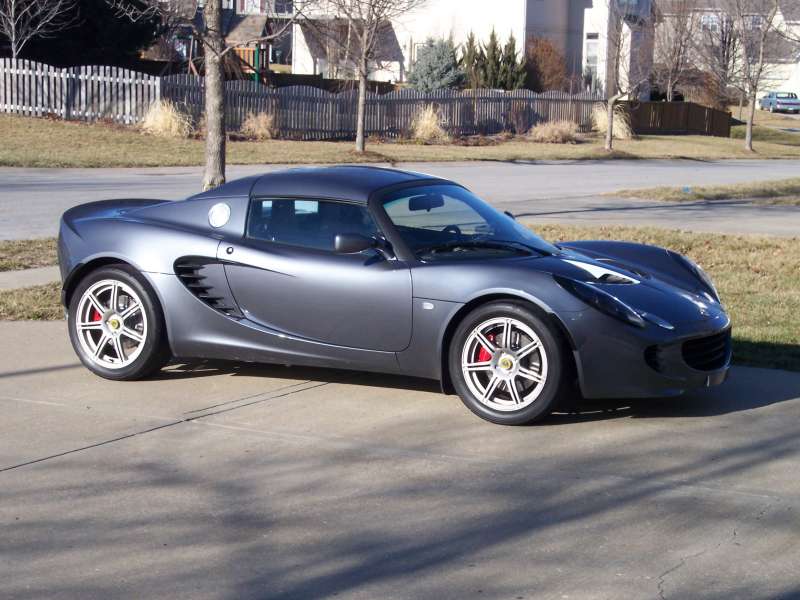
Lotus Elise


http://www.dragtimes.com/images/9674-2005-Lotus-Elise.jpg


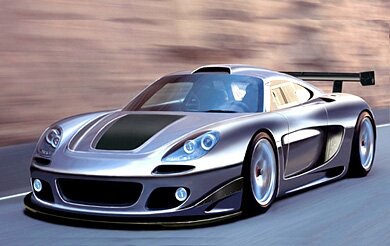
Porsche Carrera GT


http://www.carsandtuning.org/wp-content/uploads/2007/08/porsche-carrera-gt.jpg


Pagani Zonda C12 Spider


http://www.seriouswheels.com/pics-2006/2006-Pagani-Zonda-Roadster-F-SA-1280x960.jpg


Galmer Arbitrage GT


http://www.gtspirit.com/uploads/images/galmerarbitragegt.jpg


Hummer H3


http://thumbs.automart.com/imgs/ag/automart/cst/265/640/703/709/44/feed/thumb/10420031530011000.jpg


2010 Hyundai Genesis Coupe


Early look: 2010 Hyundai Genesis Coupe


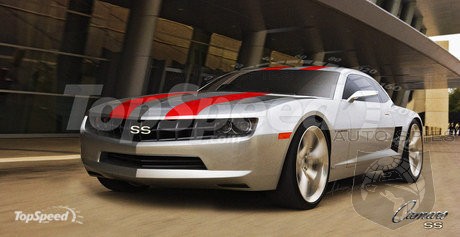
2010 Chevrolet Camaro SS


http://www.autospies.com/images/users/Luxurious/ccss.jpg


2009 Pontiac G8 GXP


2010 Pontiac G8 Sport Truck


Ferrari 550


http://upload.wikimedia.org/wikipedia/commons/thumb/7/73/Ferrari_550_maranello_cote.jpg/800px-Ferrari_550_maranello_cote.jpg


Ferrari 456


http://www.autocult.com.au/img/gallery/SpeedDemon459.jpg


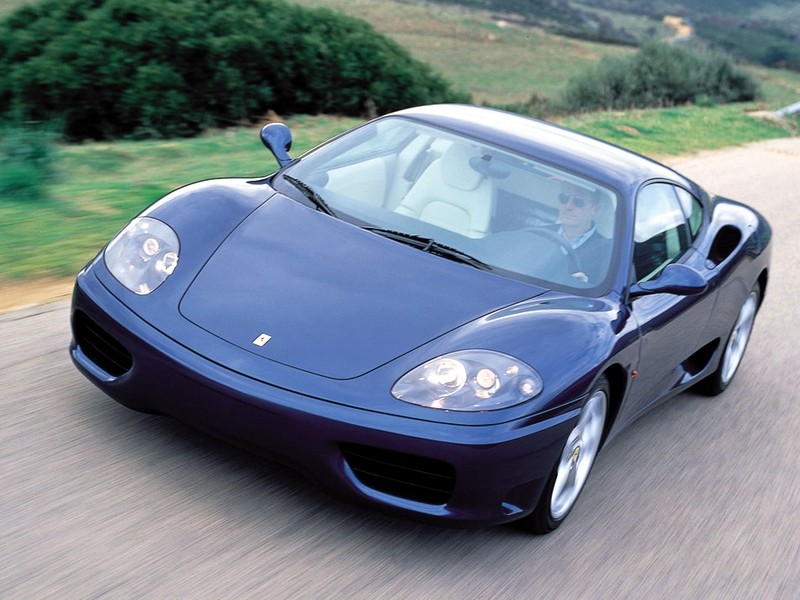
Ferrari 360


http://www.dragtimes.com/images/8801-2000-Ferrari-360.jpg


Ferrari 355


http://www.chem.ucla.edu/~na/pics/cars/ferrari/F355_spider.jpg


Lamborghini Diablo


http://www.lambobuilder.com/diablo6/images/d6doorsup.jpg


Lamborghini Reventon


http://images.europeancarweb.com/features/epcp_0709_12_z+lamborghini_reventon+front_left.jpg


Lamborghini Gallardo


Lamborghini Gallardo SE


Mitsubishi Eclipse


http://thumbs.automart.com/imgs/ag/automart/autodata/pictures/VEHICLE/2008/Mitsubishi/thumb/80MIGEB1-E0420031530011000.jpg


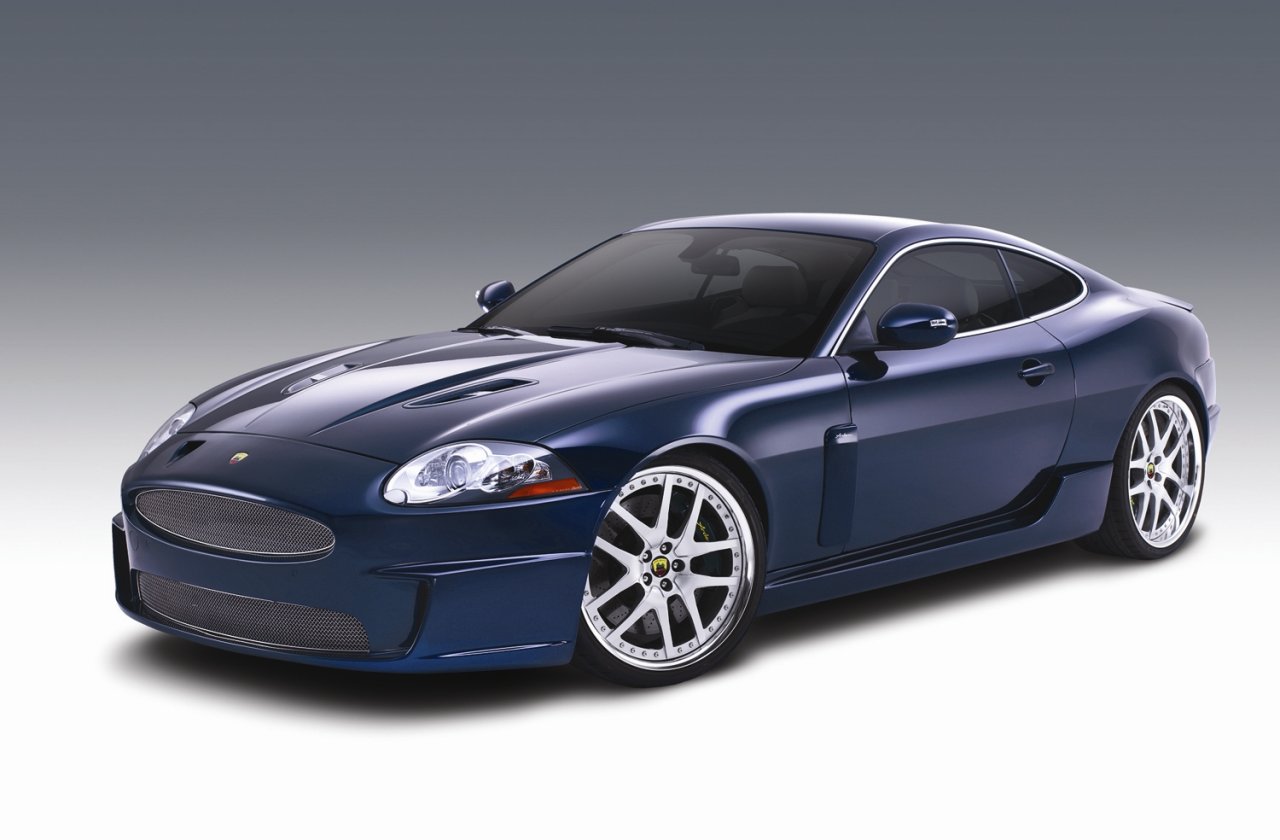
2008 Arden Jaguar XKR AJ 20 Coupe


http://www.tuningblogger.de/uploaded_images/Arden_Jaguar_XKR_AJ_20_Coupe_1.JPG


2008 Huet Brothers HB Special


2008 Chevrolette Corvette ZR1


2009 Chevrolet Corvette ZR1


2008 Rolls Royce Phantom Phantom Coupe


2008 Rolls-Royce Phantom Phantom Coupé


Alfa Romeo 8C Spider


2008 Alfa Romeo 8C Spider

Dodge Viper


Dodge Viper
class 2008 Dodge Viper SRT-10 Convertible

Porsche


The image “http://www.new-dream.de/image/wallpaper/auto/porsche/porsche-05.jpg” cannot be displayed, because it contains errors.


Mitsubishi


http://farm1.static.flickr.com/172/475786193_0e193f7ac7.jpg


Jaguar XKR


http://www.autoblog.com/media/2006/04/calspl00001.jpg


Honda CR-Z hybrid coupe


Lamborghini Murcielago


http://au.carnewstoday.com/car-news/images/thumbs/lrg_article_6192-img_0.jpg


Bugatti Veyron

http://www.rue-des-puzzles.com/prod/img1353.jpg

Audi R8


Subaru